One hundred years ago, 33 American submariners were lost off the coast of Rhode Island. To this day, there is no memorial or monument that bears their names.
Now is the time to change that,
and it can't happen without you.


On a chilly September night in 1925, the crew of the S-51 was mostly asleep in their bunks, on a routine run out of New London. Americans from all over the country. Fathers, husbands, sons.
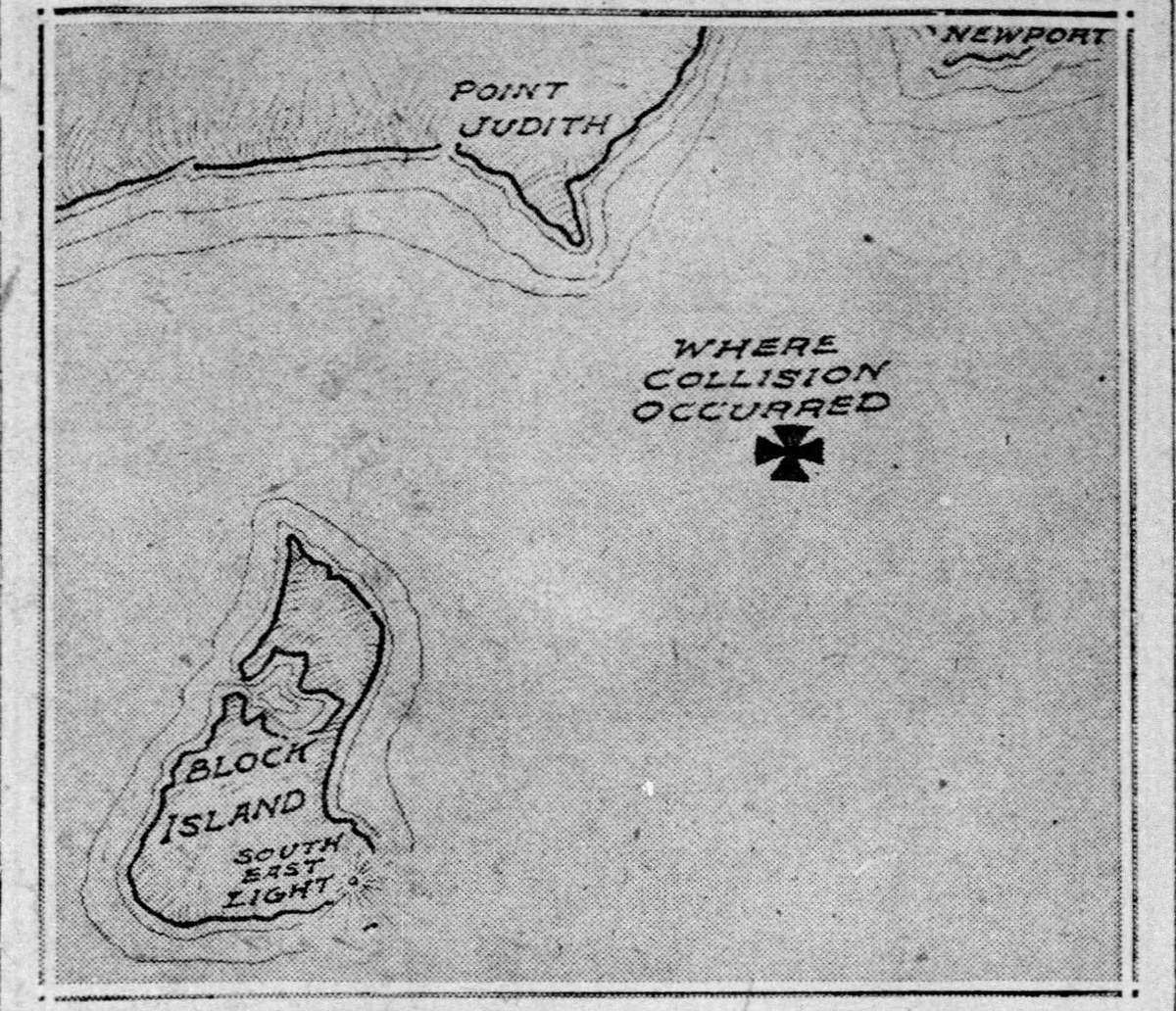
At 10:23, the steamship City of Rome crashed into the S-51's side, sending her to the bottom.
Of the 36 men aboard, only three survived.
But that was not the end of the S-51's story. To bring her crew home, to give them a proper burial, the S-51 herself would have to be raised. At the time, a salvage this complex was considered impossible.
On July 5th, 1926, against the odds, they lifted the S-51 from the bottom and brought her and her crew home.
The raising was made possible by a small group of divers who refused to leave her on the bottom. A hundred years later, the S-51's final chapter falls to people like you who refuse to let them be forgotten.
To fund and place a small memorial near the Rhode Island or Connecticut coast: a bronze plaque, set in stone or wood, naming every man lost aboard the S-51. A permanent place to come and remember. It's for the families of her crew, their grandchildren and great-grandchildren. It's for anyone who wants to learn what happened. And it's a place to make sure these men are never forgotten.
Example
S-4 Memorial · Provincetown, MA
A hundred years is long enough for the S-51 to go unmarked. Now is the time to change that.
So today, we're not asking you for money, just your support. Add your name to our contact list. Your name is proof that people care. And that proof is what moves this forward: press coverage, local support, a location, and the money to build it. It all starts with you.
Add my nameThe three who survived that night: Dewey Kile, Michael Lira, and Alfred Geier.
Meet some of the crew.

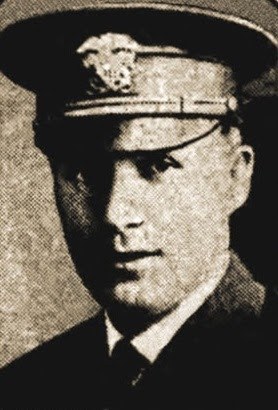
Dobson was a career submarine officer, with a wife and a two-year-old son waiting at home in New York. The S-51 was his second command, and he'd been her captain just three weeks when she went down. He was never recovered.
Four days after the Navy raised the S-51 from the bottom, his widow wrote to the admiral who led the salvage:

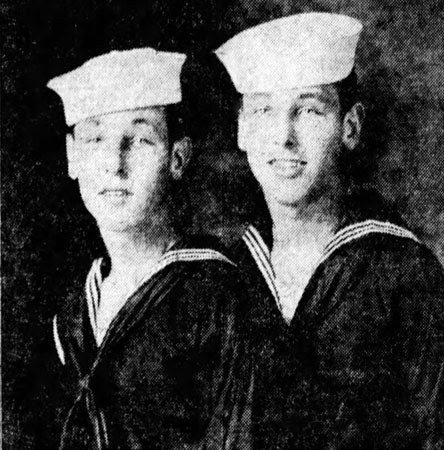
It was said they were the only twins in the Navy. “Always they've had the wanderlust,” (their mother) said. “They enlisted when they were only 16. Their father objected, but they pleaded so he finally gave his consent. We used to live at Brooklyn, N.Y., and the boys played around the shipyards. Then they said they wanted to go to sea sometime.” The last letter from the boys told of the purchase of a motorcycle from another sailor. “And it went twelve miles in thirteen minutes,” they wrote.

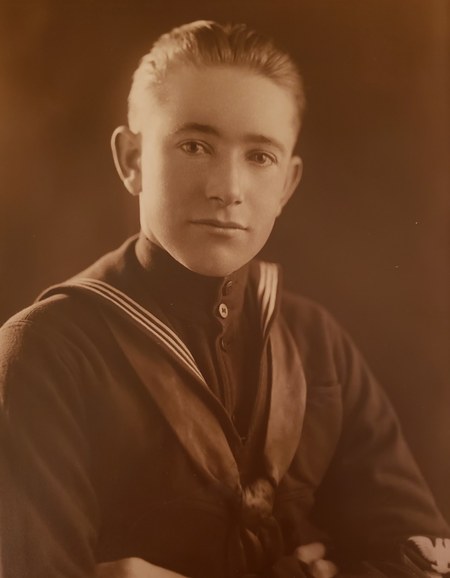
Henry was a radioman on the S-51, a twenty-four-year-old from Ardmore, Oklahoma, one of nine children. He'd joined the Navy at seventeen, and his sister kept a scrapbook full of him, smiling and messing around with his friends. He'd been aboard just one month when she went down.
He left behind a daughter, Lavinia, who never forgot the tragedy. In 2020, Crawford's granddaughter, Tara, launched s51memorial.org.
For a hundred years, the S-51's families carried the memory of these men so they wouldn't be forgotten.
Now it's our turn to carry them into the future.
Whether you're family, a submariner, a Rhode Islander, or simply someone who believes these men shouldn't be forgotten, your support is what turns this into a reality.